Rubio Defends U.S. Engagements with Cuba, Doubles Down on ‘Failed State’ Designation
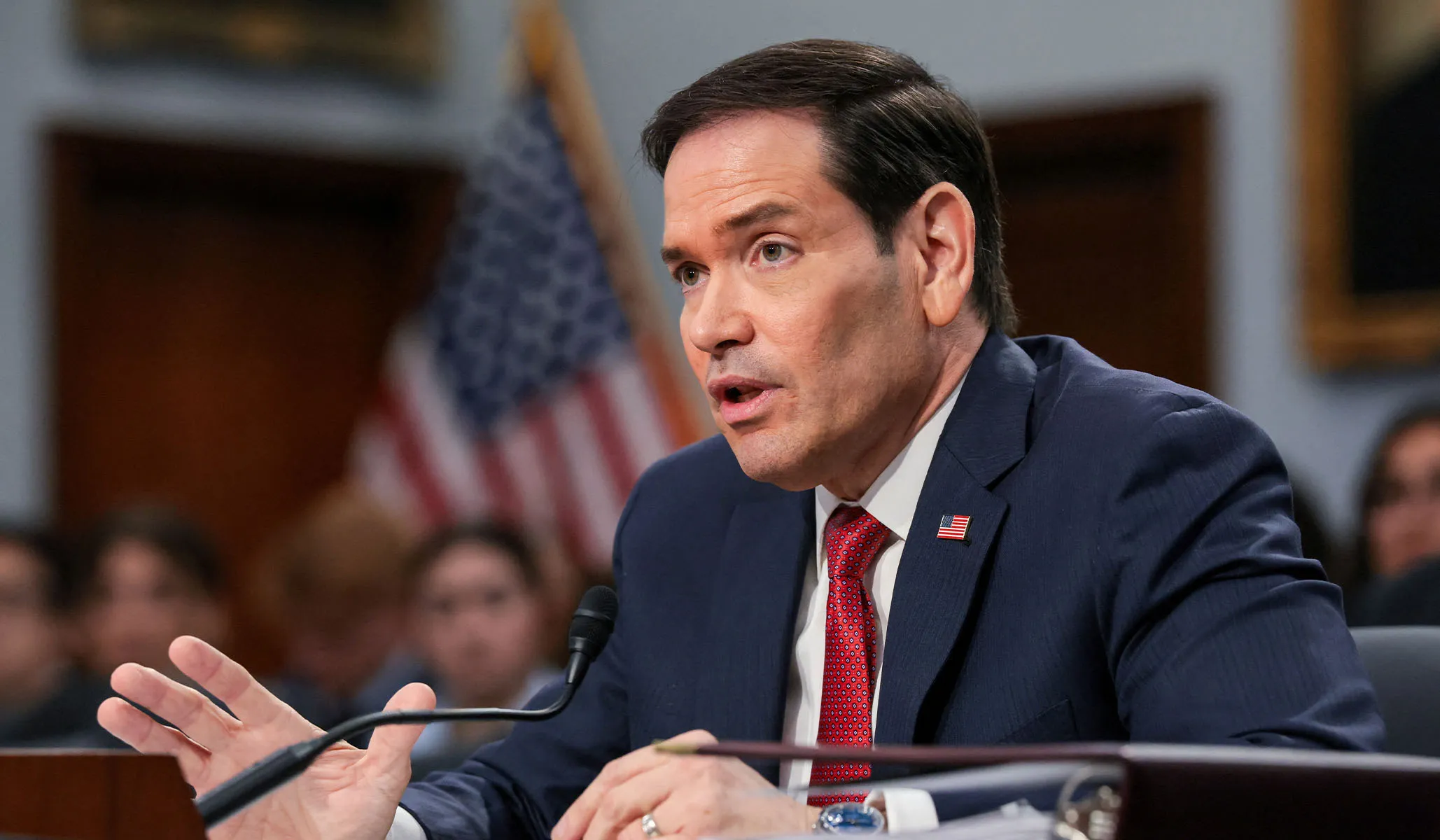
Secretary of State Marco Rubio appeared before both the Senate Foreign Relations Committee and the House Foreign Affairs Committee on Tuesday, delivering an assessment of U.S.-Cuba relations that portrayed the island nation as an economic and humanitarian failure and a growing security concern for the United States.
Read more Incumbent Karen Bass Advances to Runoff in L.A. Mayoral Race
“The fundamental challenge we have here is… in order for [Cuba] not to continue to be a failed state, which poses a threat to the United States, they need systemic and serious reform,” Rubio told the Senate Foreign Relations Committee on behalf of the Trump administration.
“They need to have economic reforms, and the question is, can they possibly reform, given the people who are currently in charge, both of GAESA and of their government? And I think the answer is, they can. I really don’t believe this system is capable of reform unless new people take over or a new mindset takes hold.”
Rubio expanded on those themes during a House hearing on the State Department’s budget request for the 2027 fiscal year, describing Cuba as a country “on the verge of being a failed state,” after decades of mismanagement. Rubio asserted that the country’s economy is no longer governed by Cuban officials but instead by GAESA, a military-controlled conglomerate that dominates about 70 percent of the country’s economic activity and controls approximately $18 billion in assets.
“The model they have economically will never work,” Rubio said. “None of that money transfers over to the treasury, or to be helpful to the Cuban people in any way.” He pointed to chronic electrical grid failures, fuel shortages, and the emigration of approximately 15 percent of Cuba’s population since 2001 as evidence of the regime’s systemic instability.
Rubio refuted criticism that U.S. policy abets the bleak conditions of ordinary Cubans.
He reiterated that Washington offered to provide $100 million in humanitarian assistance through the Catholic Church and other nongovernmental organizations, rather than through Cuban state institutions, arguing that aid delivered through government channels risks being diverted into the GAESA-controlled commercial networks instead of reaching the Cuban people directly.
But Havana initially rejected the offer for aid, Rubio says.
“First they denied when we made the offer, so then we went public with it. Then they said they would accept it, but since then have not been willing to follow up on how that distribution would work. We’re fine with it, as long as it goes to the Cuban people.”
Read more Jill Biden Says She Was ‘Frightened’ After Disastrous Debate, Doctors Checked on Joe
From the national-security perspective, Rubio cited reports that Russian and Chinese intelligence operations continue to use facilities on the island to collect information targeting the southeastern United States. He also accused Havana of supporting activities of ideologically motivated groups, claiming Cuban personnel have repeatedly been implicated in efforts to destabilize pro-America governments across the Western Hemisphere.
“Many countries have expelled either the ambassador or multiple personnel from the Cuban embassies because of their intelligence and subversive activities inside of their country. And then they have a long history of supporting actual violent groups throughout the region,” he said.
“A failed state that’s friendly to our adversaries 90 miles from our shores, that’s a threat,” Rubio said.
New State Department sanctions on Cuba have ratcheted up pressure on the island, and recent messaging from the White House on Cuban Independence Day on May 20th demonstrates President Trump’s thinning patience with the regime. The revelation of the indictment of former Cuban President Raúl Castro on the same day shows an additional escalation in tension.
But Rubio’s testimony stopped short of suggesting an incoming U.S.-engineered regime change operation, despite strongly indicating the administration’s desire to see a different government replace current Cuban leadership.
The secretary’s comments relate to the broader approach adopted by President Donald Trump’s second administration — a strategy that has so far centered on increasing economic pressure through sanctions, soft power through humanitarian aid, and showing consistent support for democratic, economic, and civil rights reforms in Cuba.
Read more Professors at Top Universities Donate Overwhelmingly to Far-Left Candidates