Small Inventors Are Being Squeezed by a Convoluted Patent Process
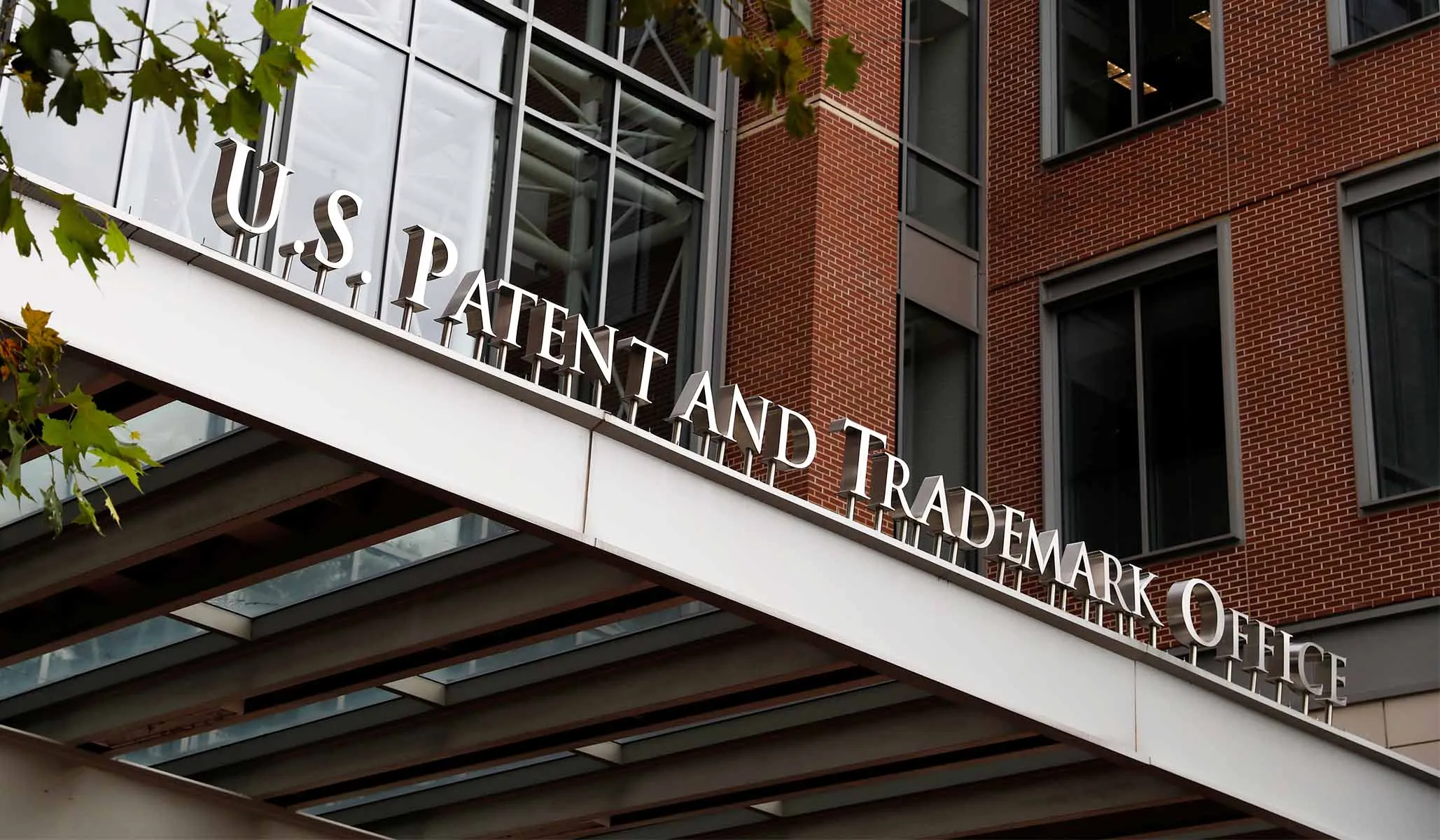
Nearly a year after the U.S. Patent and Trademark Office proposed reforms to the Patent Trial and Appeal Board (PTAB), patent-rights defenders are still waiting for the agency to act on changes they say are necessary to restore the patent-review system to its original purpose.
Read more How Democratic Operatives Got a Copycat Candidate on the Alaska Senate Ballot to Confuse Voters
The Notice of Proposed Rulemaking (NPRM), commissioned and released in October 2025 by USPTO Director John Squires, addresses the ability of companies to repeatedly challenge the validity of the same patent through multiple proceedings before the PTAB while simultaneously challenging the patent in federal court.
The NPRM asserts that this frequent duplicative litigation is costly, inefficient, and disproportionately beneficial to large corporations with extensive legal resources who can tangle smaller patent holders into multiple legal battles in order to override their patent and copy their invention.
According to the notice, “approximately 54% of all [PTAB] petitions filed since the passage of the AIA are one of multiple petitions against the same patent.” Large technology companies, many members of the High Tech Inventors Alliance (HTIA), have consistently filed the most petitions in the PTAB since its inception.
The HTIA did not immediately respond to NRO’s request for comment.
The PTAB was created through the Obama-era America Invents Act to handle patent-legitimacy cases more efficiently by using a lower evidentiary standard, “preponderance of evidence,” to handle patent challenges instead of the “clear and convincing” bar used in district courts.
But rather than replacing litigation, PTAB proceedings frequently occur alongside it. Under the status quo, district court cases challenging a patent’s legitimacy can continue while PTAB reviews are pending. Challengers can pursue overlapping invalidity arguments in multiple forums instead of simplifying and reducing disputes, as was the original mandate of the board.
“When a large company is free to copy a patented invention because it believes it can invalidate the patent through multiple validity challenges, the large company’s other advantages, such as superior brand recognition and manufacturing scale, will often give it an edge over smaller competitors,” according to the NPRM. “Thus, weakened patent rights can contribute to market concentration in innovative industries.”
Wielding the PTAB as a market-domination tool is the concern of many patent-rights advocates, says James Edwards, the executive director of a 30-group coalition called Conservatives for Property Rights.
“What these big companies are doing is keeping the small patent owner from being able to do much on its own. They can’t continue with developing the product, developing the market, finding legitimate partners to help commercialize,” he says. “Those sorts of things aren’t happening because they’ve got limited resources, much more limited resources.”
The proposed regulation would strengthen the PTAB’s authority to decline petitions when overlapping challenges occur. Petitioners would be required to file a stipulation ensuring that they or any interested party would not pursue a concurrent patent challenge in another court or proceeding. Additionally, the Board cannot institute or continue a review on a claim if that same claim (or a broader claim it depends on) has already been upheld as valid in adjacent courts, or if it is more likely than not that the patent’s validity will be upheld by the time of trial.
“What this new rule essentially says to petitioners is ‘Okay, you’ve had your one bite at the apple,’ which the AIA supposedly was going to give people,” says Edwards. “It’s going to give you your shot to make your claims about why this is an invalid patent. And then, if you win, you win, if you lose, you lose, but you don’t get to keep coming back.”
If finalized, the proposal would represent one of the most significant changes to PTAB practice since its inception. Yet despite the proposal’s potential impact, the rulemaking process has shown little visible progress since its publication, raising questions about when or whether the reforms will take effect.
The White House and the USPTO did not immediately respond to request for comment regarding the status of the rule.
Read more How Did a Former Elizabeth Warren Volunteer End Up Attending the Ayatollah’s Funeral?

Related Posts

Top Virginia Democrat Louise Lucas Charged in Public Corruption, Drug Trafficking Case

Court Slaps Down NYC’s Latest Attempt to Punish Energy Companies for Climate Change