Republican Senators Grill Acting AG Blanche on Trump’s $1.8 Million ‘Anti-Weaponization Fund’
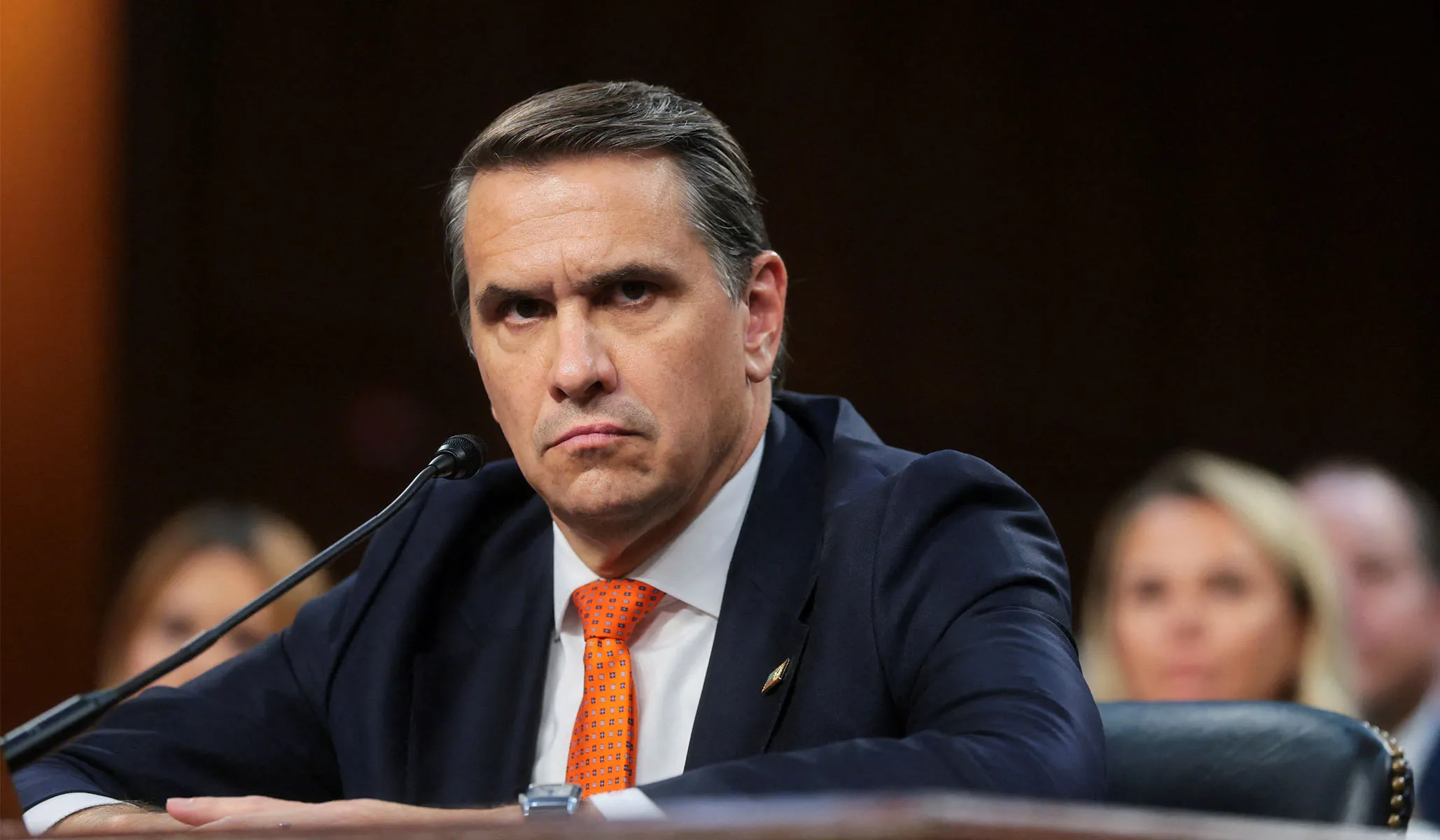
Republican senators joined their Democratic colleagues in grilling Acting Attorney General Todd Blanche on President Trump’s $1.8 million anti-weaponization fund during a confirmation hearing on Wednesday.
Read more ICE to Pause Most Traffic-Stop Arrests After Two Fatal Shootings
The settlement fund was born out of a $10 million lawsuit brought against the Internal Revenue Service by Trump’s personal attorneys over the leak of his tax returns. Shortly after the settlement was reached, Blanche also signed an order that would give the president and his family immunity from IRS investigations into all of their past tax returns.
Blanche, who has been acting as interim attorney general since Trump fired Attorney General Pam Bondi in April, told senators the anti-weaponization fund is “dead,” but acknowledged that the underlying settlement agreement is still an “enforceable document.” The Department of Justice has not committed to dropping the fund in writing, and has also not rescinded Blanche’s immunity order.
The $1.8 million agreement, referred to as a “slush fund” by senators from both parties who fear the money will be doled out to Trump’s political allies and rioters who were arrested for charging the Capitol in 2021, is a key sticking point for two lame duck Republican senators — John Cornyn of Texas and Thom Tillis of North Carolina — who have said they’ll need guarantees the administration is not moving forward with the fund before they can support Blanche’s nomination for attorney general.
Blanche will likely need the support of every Republican on the committee for his nomination to advance to a full Senate vote.
Cornyn arrived at the Senate Judiciary Committee hearing on Wednesday with a poster displaying Trump’s settlement agreement with the IRS. The senator cited a portion of the agreement that notes it “may be modified only upon the written agreement of the parties.”
Blanche said there had not been a written agreement to modify the settlement fund, but sought to assure the committee that the fund is “not moving forward.”
However, he said the settlement agreement is an “enforceable document,” meaning that Trump’s lawyers could seek to enforce the contract by a breach of contract lawsuit.
“They can’t force the Department of Justice to move forward with the weaponization fund,” Blanche said. “They could potentially say that, I suppose, that we breached by not moving forward.”
However, “they haven’t done that and I’m not aware that they’re planning on doing that.”
He also defended his immunity order during the confirmation hearing, saying the document is “not an exemption to comply with the tax laws of the United States,” but “an agreement that any past audits would end.”
Cornyn did not seem satisfied with Blanche’s responses during the hearing, telling The Dispatch, “He answered my questions, but basically what they confirmed is the weaponization fund is not dead.”
“I’m sure he disagrees with me, but he admitted that the settlement agreement said it couldn’t be changed without written consent of the parties, and that doesn’t exist, and that the weaponization fund could be enforced by a lawsuit for breach of contract.”
“It’s pretty clear to me that in the future it could be revived,” Cornyn said.
The confirmation hearing comes just two days after the federal judge overseeing Trump’s lawsuit against the IRS sanctioned the president’s attorneys and suggested that Blanche should also be disciplined after finding that the lawsuit amounted to collusion because the two parties were never truly at odds. Trump and the DOJ reached the agreement in May after the president sued his own administration in January over the leak.
“In sum, the facts before this Court demonstrate there was never adverseness between the Parties; there was never a case or controversy; and there was never a question as to who would prevail,” Williams wrote in a 56-page filing.
“The Court determines that Plaintiffs improperly employed this lawsuit to justify a particular award in this matter—access to taxpayer funds and exemption from audits and other investigations—which was accomplished by leveraging control over Defendants,” she wrote, suggesting the suit was “brought to manipulate the judicial process.”
In the wake of the ruling, Tillis said the fund needs to be “certainly and completely ended” before he can support Blanche.
“I have to say — I have to know with certainty that that fund … it’s just got to be ended,” he said. “It’s bad optics. It’s bad policy … It’s got to go.”
During the hearing on Wednesday, Tillis said he wants to “stick a fork in” the anti-weaponization fund.
“This is a problem,” he told Blanche of the fund. “It should never be paid out. You’ve said that it’s moot. Others, these smart attorneys that I’m surrounded by, think that the courts are probably going to deal with it. But why should we waste the court capacity on this issue if I could walk to the Senate floor with an agreed to piece of text coming from the administration that just renders this whole thing dead, gone?”
“Why is that a bad strategy?” Tillis said.
“It’s not,” Blanche replied, adding the administration does not object to that path.
While Tillis seemed like an unclear vote on Blanche going into the hearing, his comments during the proceedings appeared to signal his support for the acting AG: “You did a great job today,” he told Blanche.
Read more Women Harmed by Chemical Abortions Urge Todd Blanche to Settle Mail-Order Abortion Case

Related Posts
Top Virginia Democrat Louise Lucas Charged in Public Corruption, Drug Trafficking Case
Court Slaps Down NYC’s Latest Attempt to Punish Energy Companies for Climate Change