Supreme Court Indefinitely Extends Mail-Order Access to Abortion Drug Mifepristone
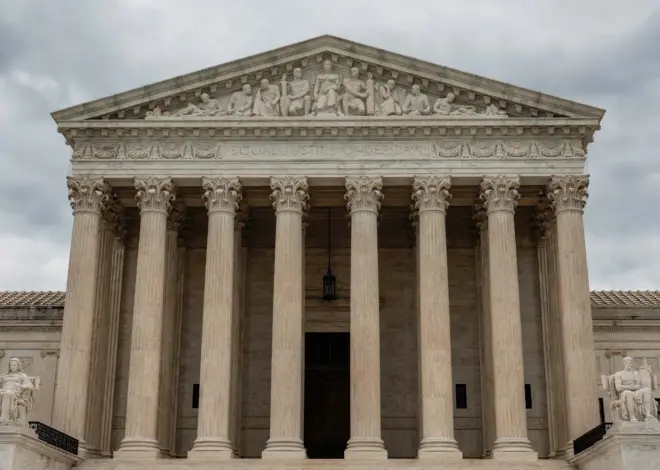
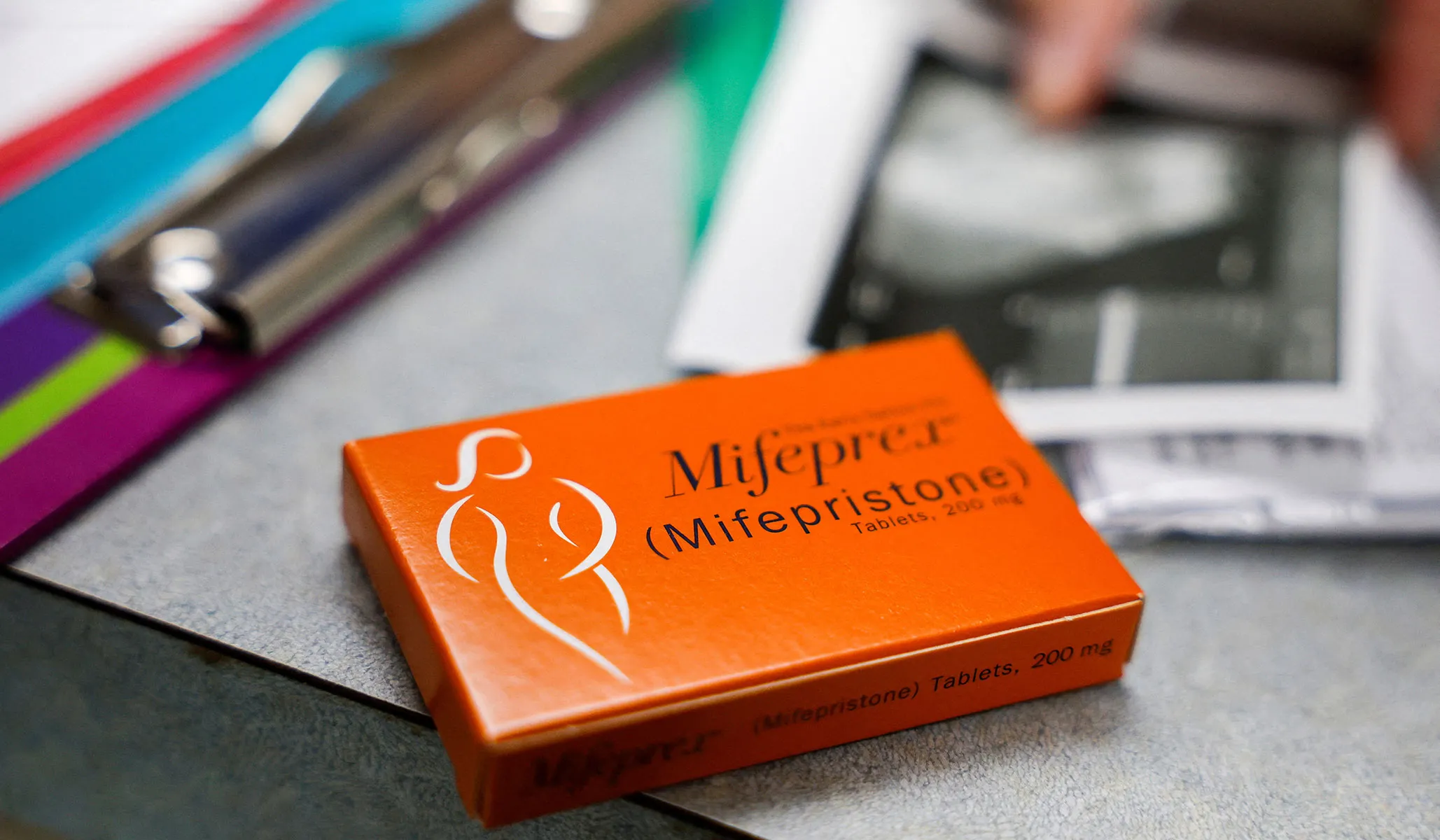
The Supreme Court on Thursday ruled that the chemical abortion drug mifepristone can continue being made available to patients through telehealth, mail, and pharmacies as the Court continues to hear a case involving access to the drug.
Read more Supreme Court Affirmative Action Ruling Had Small Impact on Minority Enrollment, New Study Shows
A lower court issued a ruling earlier this month ordering the Food and Drug Administration to bring back a requirement that doctors prescribe the abortion drug only after an in-person exam. Drugmakers appealed the ruling, with the high court placing the order on pause until at least May 11 while justices weighed the case, in which Louisiana has challenged the drug’s expanded access.
The Court’s Thursday decision indefinitely extends that expanded access while the justices hear the case.
Justices Clarence Thomas and Samuel Alito dissented.
Thomas argued that the drugmakers are not entitled to block a court order “based on lost profits from their criminal enterprise.” Meanwhile, Alito said the Biden administration made mifepristone available by mail in 2023 in an attempt to undermine the court’s 2022 Dobbs ruling.
“Louisiana’s efforts have been thwarted by certain medical providers, private organizations, and states that abhor laws like Louisiana’s and seek to undermine their enforcement,” Alito added.
Danco Laboratories, the maker of the brand-name version of mifepristone, Mifeprex, said the earlier decision from the conservative Fifth U.S. Circuit Court of Appeals brought “immediate confusion and upheaval into highly time-sensitive medical decisions.”
But Louisiana officials had argued that mifepristone poses too great a threat of complications, including sepsis and hemorrhaging, to be dispensed through the mail. The state attorney general, Liz Murrill, also says that mail-order delivery of abortion drugs allows women to evade abortion bans. Murrill said up to 1,000 abortions a month are taking place in the state because of mail-order chemical abortion pills.
Pro-lifers have been left disappointed with the Trump administration’s stance on mail-order abortion pills, with the administration leaving in place Biden-era rules allowing clinicians in states with lax abortion laws to prescribe and send pills to women in states with strict abortion bans. The FDA also approved a new generic version of mifepristone last fall, further angering pro-lifers.
Trump’s FDA finally announced in September that it would conduct a review of mifepristone’s safety, months after Health and Human Services Secretary Robert F. Kennedy Jr. promised to investigate the drug in response to a bombshell study that found that the commonly used abortion drug is much less safe than advertised.
A study from the conservative Ethics and Public Policy Center found that almost 11 percent of women experience a serious adverse effect within 45 days of taking mifepristone, which is 22 times higher than the FDA label on the drug suggests. Serious adverse effects include sepsis, infection, and hemorrhaging.
Kennedy has floated the idea of having the FDA change mifepristone’s label because of EPPC’s findings. The study analyzed an insurance claims database with 865,727 prescribed mifepristone abortions from 2017–23, a sum much larger than the combined sample of FDA-cited studies.
Abortion advocates, for their part, have dismissed the EPPC study as non-peer-reviewed and have falsely claimed that mifepristone is safer than Tylenol and other commonly used medications.
Senator Josh Hawley (R., Mo.) has been a vocal advocate for the safety review, saying in September, “This FDA review of the abortion drug is long promised and much needed. Almost 70% of abortions in America are chemical abortions, and there are no meaningful safety restrictions on the drug currently in place. FDA should reinstate safety rules ASAP.”
Despite the EPPC’s findings, the Trump Justice Department has asked courts to pause or dismiss lawsuits from Republican state attorneys general over access to mifepristone — including the lawsuit brought by Louisiana leaders.
Pro-life leaders who recently spoke to the Wall Street Journal expressed great disappointment and fury over the administration’s handling of the issue.
“You have Republican states that are challenging a Republican administration over this because their laws are being undermined,” Tony Perkins, president of the conservative Family Research Council, told the paper. “Pro-life voters are going to be wondering what’s going on when they head into the polls in November.”
Marjorie Dannenfelser, the president of Susan B. Anthony Pro-Life America, responded to the lower court’s ruling that initially blocked mail-order access to mifepristone saying, “It’s shameful that the Trump administration’s inaction has forced pro-life states to take their battle to the federal courts.”
The White House defended Trump against the criticism, with a spokeswoman telling the Journal, “Since his first term, the President has been a proven leader in the pro-life movement and he will continue to champion these policies to protect the sanctity of life.”
Trump is “the most pro-life and pro-family president in history,” spokeswoman Allison Schuster said, adding that the FDA is conducting a review of mifepristone in response to “widespread concerns” about the drug.
Read more Mamdani Announces First City-Owned Grocery Store Will Open Next Year

Related Posts

Top Virginia Democrat Louise Lucas Charged in Public Corruption, Drug Trafficking Case
Court Slaps Down NYC’s Latest Attempt to Punish Energy Companies for Climate Change