A Calmer Move Starts in the Kids’ Rooms
Children’s rooms tend to accumulate belongings in a very different way from the rest of the home. Toys collect under beds, artwork covers walls, clothes outgrow closets, and small objects disappear into drawers and bins. When moving day approaches, trying to sort everything at once can quickly become overwhelming.
A better strategy is to make the children’s rooms manageable in stages. The goal is not simply to pack faster, but to decide what should travel, what can be passed on, and which familiar belongings should remain easy to find throughout the transition.
Give Each Child a Say
Children may not care about organizing a kitchen cabinet, but their own belongings can feel deeply personal.
Invite them to participate in age-appropriate decisions. Let them choose favorite toys, books, artwork, and comfort items that they definitely want in the new room.
This can make the process feel less like possessions are disappearing and more like the child is helping create their new space.
Set Aside Non-Negotiables
Before sorting begins, identify items that are not going anywhere.
A favorite stuffed animal, blanket, collection, or treasured drawing can go into a clearly marked keep pile. Knowing that these possessions are protected can make it easier for a child to part with less important things.
Sort by Type Instead of Emptying Everything
A child’s room can become more chaotic if every drawer and shelf is opened simultaneously.
Work through one category at a time: clothing, toys, books, school supplies, decorations, and miscellaneous items.
Residential moving becomes easier when belongings have already been separated into clear groups before they reach the packing stage.
Create a “Too Small” Clothing Pile
Children’s clothing can become outdated surprisingly quickly.
Check drawers and closets for garments that no longer fit or are unlikely to be worn. Separate usable pieces for donation or passing to another child, while keeping the current wardrobe accessible until closer to moving day.
Make the Toy Collection Manageable
Toys are often the largest organizational challenge.
Look for broken pieces, incomplete games, forgotten duplicates, and items that have clearly been outgrown. Avoid forcing a child to discard something simply because an adult considers it unimportant.
Instead, ask which toys are still actively used and which could find a better home elsewhere.
Keep a Small Play Selection Available
Do not pack every toy weeks before departure.
Choose a limited group of favorites that can remain accessible during the final days. The rest can be packed and labeled by category.
Protect School and Creative Materials
Children’s rooms often contain supplies that need special attention: schoolwork, drawings, craft materials, instruments, and small collections.
Keep important papers flat where practical and protect delicate artwork from bending. Group pencils, markers, craft tools, and similar materials together.
For irreplaceable school projects or sentimental artwork, consider keeping them separately rather than burying them inside general cartons.
Use Labels Children Can Understand
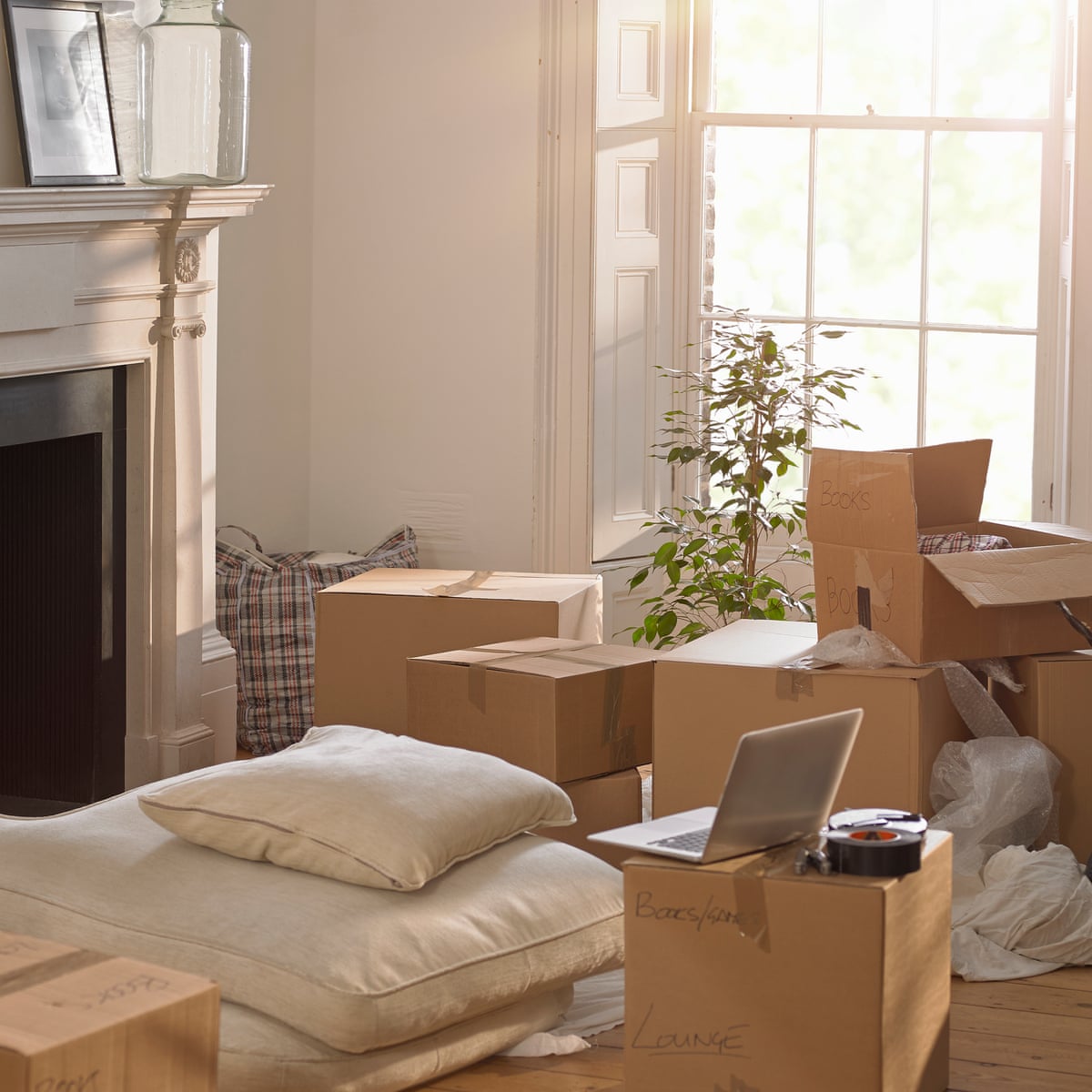
A box labeled simply “Kids” may not be particularly useful after arrival.
Use specific descriptions such as “Lego,” “Picture Books,” “Winter Clothes,” or “Art Supplies.” Older children can even help create the labels.
For homeowners preparing for a Las Vegas relocation, information about professional assistance is available through https://nevadamoverslv.com/.
Give Boxes a Destination
Decide which room or child each carton belongs to before loading.
If children are moving into different rooms at the new home, make the distinction obvious. This allows boxes to go directly to their intended destination instead of creating a large mixed pile.
Keep Comfort Items With the Family
Certain belongings should not disappear into the moving truck if they are needed during the transition.
Pack a separate overnight bag containing favorite comfort items, pajamas, a change of clothes, toiletries, chargers, and anything else a child may need immediately.
For younger children especially, familiar objects can make the first night in an unfamiliar room feel more comfortable.
Take Photos Before Dismantling
If a child’s room contains a particular arrangement they love, photograph it before everything is packed.
This can help recreate a familiar setup after the move. Take pictures of shelving arrangements, wall displays, furniture placement, or collections that may be difficult to remember.
Save Small Parts
Toy sets, model kits, furniture hardware, and similar belongings can contain dozens of tiny components.
Place related pieces together in sealed bags or containers and label them clearly. Avoid creating a single miscellaneous bag containing unrelated parts from the entire room.
Leave the Most Familiar Items Until Late
A completely empty children’s room can feel unsettling long before moving day.
Leave a familiar bed, a few books, favorite toys, and everyday necessities available until the final stage whenever possible. This keeps the room functional and gives children a stable place during the last days at home.
Make the New Room a Priority
When unloading begins, consider setting up the children’s bedrooms relatively early.
The room does not need to be perfect. A bed, familiar blanket, favorite toy, and a few recognizable belongings may be enough to establish a sense of continuity.
Nevada Movers can manage the physical transportation while parents concentrate on helping children adjust to the new surroundings.
Give Children a Job on Moving Day
Age-appropriate tasks can help children feel involved.
They might carry a lightweight personal bag, check that their special items are present, or decide where a few toys should go. Older children can help verify labels and organize books.
A move does not have to mean turning a child’s room upside down all at once. By involving children in decisions, sorting categories gradually, protecting sentimental belongings, labeling boxes clearly, and keeping comfort items accessible, families can make the transition considerably more predictable. Thoughtful residential moving preparation also creates an opportunity to begin the new room with fewer forgotten toys, outgrown clothes, and unnecessary clutter.

Related Posts

Top Virginia Democrat Louise Lucas Charged in Public Corruption, Drug Trafficking Case

Court Slaps Down NYC’s Latest Attempt to Punish Energy Companies for Climate Change