Seattle Times Columnist Resigns After Editors Spike Essay Defending Fairness in Women’s Sports
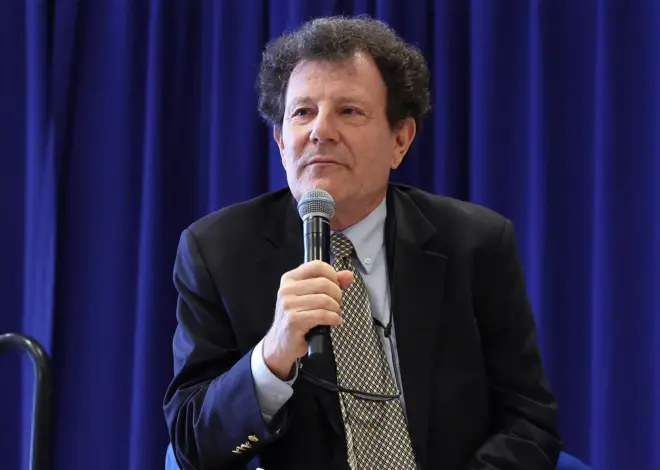
A sports columnist has resigned from the Seattle Times, saying his editors refused to run an essay in which he argued that believing boys and men should not compete in girls and women’s sports does not make a person transphobic.
Read more Scientist Behind Wuhan Bat Research Thanked Fauci Aide for Helping Shut Down Lab-Leak Theory
Matt Calkins published the column in its entirety on his Substack on Thursday, alongside a separate post explaining his decision to resign. The Times has not publicly addressed Calkins’s claims and did not respond to a request for comment.
“I really wanted the column to run,” he writes. “I didn’t think it would, but I felt obligated to try to get it in.”
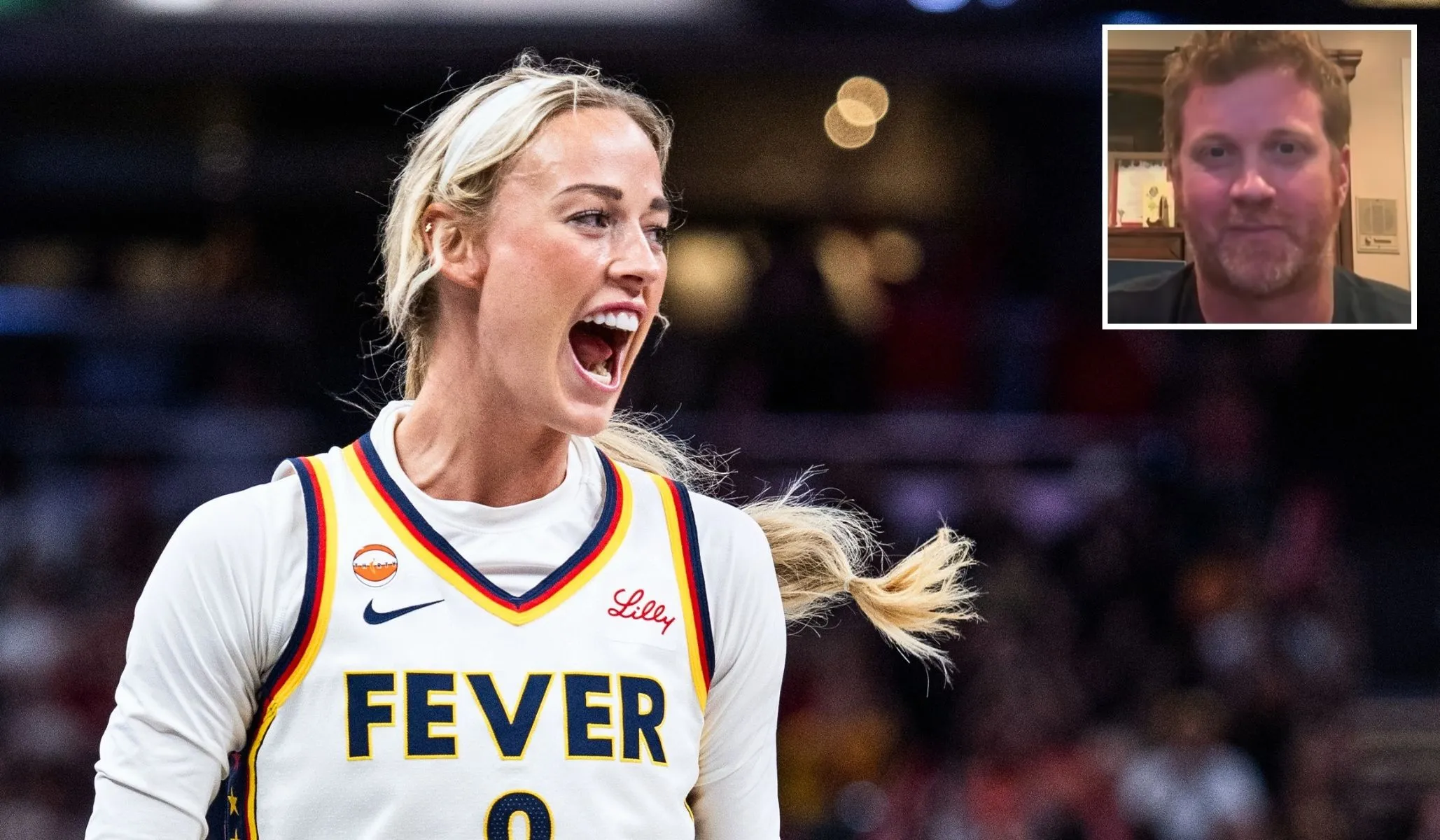
He explains that he wrote the column after speaking to people attending a rally in support of Sophie Cunningham, the Indiana Fever guard who has said she supports keeping boys and men out of girls’ and women’s sports. A few dozen people showed up outside Climate Pledge Arena to show their support for Cunningham before the Fever played the Seattle Storm last month.
“I got a lot of negative feedback about me hating trans. And I’m like, ‘I never once said that,’” Cunningham previously told ESPN. “I think that I am here to extend love. But I also think with that love is truth, being honest. And I want to protect young girls in a locker room, or young girls in sport who shouldn’t have to go against biological men.”
Calkins titled his column, “Agreeing with Sophie Cunningham’s stance doesn’t make you transphobic.”
He said he felt compelled to weigh in after meeting a 16-year-old who had lost a track and field race to a male student in eighth grade.
“I didn’t know if I was going to write something at that point, but after she allegedly got cussed out by a Storm co-owner during the game, I felt like I had to weigh in,” he said.
In the column, Calkins argued that, “Two things can be true at once. You can show compassion for people who feel trapped in the wrong body while acknowledging they have a biological advantage. After all, why do we separate males and females in sports in the first place?”
“It’s not due to the potential awkwardness of physical contact,” he added.
“It’s because men have higher testosterone levels and different skeletal and muscular frames, which together produce significant performance advantages. This isn’t something I bring up at dinner parties, but it’s undeniable. By every measurable metric in sports — whether it be 100-meter times, vertical leaps, weightlifting, yards off the tee, etc. — the top males substantially outperform the top females.”
He says he filed the column after talking to his editor the morning of Friday, July 31. Later that day, the editor told Calkins he and other editors were looking at it. On Monday evening, Calkins says he received an email from the editor saying that his boss was hoping to talk to the top two newsroom editors about it on Wednesday. On Thursday, Calkins’s editor informed him the piece would not run because he didn’t tell him about it in advance.
“I didn’t buy this reasoning,” Calkins writes. “If that were the case, the piece would have been killed on the spot, not passed through the hands of multiple editors over several days.”
He decided to resign on the spot.
“That may come off as an emotional decision, but it was exactly what I was prepared to do,” he said, adding that the column on Cunningham was just one of several columns he wrote that had been “spiked” by the paper’s editors.
“One was a piece questioning whether players for the U.S. Women’s Soccer Team were really the victims of discrimination in their equal-pay lawsuit,” he writes. “Another was a more general column on cancel culture in sports. The last, written shortly after George Floyd’s death, implored people to listen to state-champion basketball coach Mike Bethea — a black man urging the public not to stereotype cops.”
He says the “common theme” among the censored columns is that they all “challenged prevailing newsroom narratives and likely would have triggered the outrage mob.”
“I’ve always thought that it was a columnist’s duty to generate discussion on the most hot-button issues,” he added. “To avoid such topics was to leave the reader shortchanged. I guess in the end, I just didn’t feel like I could do my job properly anymore.”
He says he plans to continue writing columns on his Substack.
“All that’s certain is that I’m done holding back,” he concludes. “The best things in life are free — speech being at the top of the list.”
Read more FBI Raids Eric Swalwell’s Home, Seizes Electronics in Connection with Sexual Assault Investigation